How to Build a Balcony Herb Garden That Survives Summer Heat
Balconies fail in summer for unglamorous reasons. A pot that looked generous in May becomes a root-bound bucket by July. Water races through dry compost and straight out of the drainage hole. The basil that starred in your spring salads turns woody and sulky. None of this is a verdict on your gardening. It is a design problem, and most of it gets solved before the first hot week arrives. What follows is a container plan built for the worst part of the year: herbs chosen because they tolerate heat, a watering routine that survives a long weekend, and shade arranged on purpose instead of improvised with a beach towel.
Choose Herbs That Genuinely Like Heat
Start with the plants that evolved for dry, bright, stony ground. Rosemary, thyme, oregano, sage, marjoram, winter savory and lavender all carry aromatic oils in their leaves and prefer to dry out slightly between waterings. Give them gritty compost, full sun and a certain amount of neglect. Overwatering kills more of them than August ever will.
Then there is the thirsty group. Basil, parsley, mint, chives, coriander, dill and chervil want steady moisture and will sulk in a pot that bakes. Basil is the interesting case: it loves heat but hates drying out, which on a hot balcony means a bigger pot and more attention. If Genovese basil collapses on you every July, try Thai basil, African blue basil, holy basil or one of the small-leaved bush types. They flower later and keep going longer.
- Sun-baked wall, minimal fuss: rosemary, thyme, oregano, sage, lavender, marjoram.
- Morning sun, afternoon shade, steady water: basil, parsley, mint, chives, chervil.
- Quick crops worth resowing every few weeks: coriander, dill, rocket if you have space.
Two rules save a lot of disappointment. Keep mint in its own pot, because it spreads by runners and will colonise everything it can reach. And accept that coriander bolts in real heat; sow small amounts often rather than expecting one plant to last all summer.
Pots, Compost and Drainage: The Part Worth Doing Properly
Size is the single most effective cooling measure available to you. A 35–40 cm pot heats up far more slowly than a 15 cm one, holds moisture longer and gives roots room to work. Small terracotta pots on a south-facing balcony can dry out in a single afternoon. If space is tight, choose fewer, larger containers rather than a crowded row of tiny ones.
Material matters less than you might think, but it does matter. Terracotta breathes and looks good, yet dries faster. Plastic holds moisture but can cook roots if it is dark and in full sun. Glazed ceramic sits in between; pale colours reflect light and stay cooler than dark ones. Whatever you choose, drainage holes are non-negotiable, and the pot should sit on feet so water can escape. Empty saucers after rain so roots never stand in water.
Compost that drains
Use a peat-free multipurpose compost and lighten it with roughly a quarter to a third perlite or horticultural grit. Never fill a container with garden soil; it compacts, drains badly and turns to brick. Finish with a 2 cm layer of gravel, bark or coir mulch to slow evaporation from the surface. If your pots are already planted and the compost has shrunk away from the sides, top it up — that gap lets water run straight down the inside wall and out of the bottom.
Water Deeply, Then Check Before You Water Again
A daily flick of water from a small can is the most common mistake on a sunny balcony. It wets the top centimetre, encourages shallow roots and leaves the lower compost dry. Water properly instead: slowly, at the base, until it runs out of the drainage holes. Then leave the pot alone until it needs more.
Morning is the best time, because plants have water to draw on through the hottest hours. In a genuine heatwave, check again in the late afternoon and water a second time if the pot feels light. Push a finger in to the second knuckle, or simply lift the pot; a dry container is startlingly light. Grouping pots together raises humidity around the leaves and reduces evaporation from the compost surface.
For weekends away, self-watering containers, clay ollas pushed into the compost, or a capillary mat in a water tray will carry most herbs for a few days. A simple drip line on a timer is worth the modest outlay if you are away often. What you do not need is misting. It raises humidity for minutes, does nothing for the roots and can encourage fungal problems on dense foliage.
Use Shade as a Tool
Spend a day noting where the sun actually falls. Balcony walls store heat and radiate it back at night, so a west-facing spot can be several degrees warmer than the air temperature suggests. The plants against the wall will dry fastest; put the rosemary and thyme there and keep the basil where it catches morning sun but is out of the worst afternoon glare.
A 30–50% shade cloth, a bamboo screen or a simple canvas sail fixed above the pots can cut midday intensity without turning the balcony into a cave. Leave the sides open. Air movement is what keeps mildew and spider mites in check, so resist packing pots shoulder to shoulder. Pots on castors let you shift the whole arrangement as the sun moves through the season, and taller plants naturally shade smaller ones placed at their feet.
A Workable Plan for a Small Balcony
- Measure the space and note how many hours of direct sun each corner gets.
- Buy four to six containers: two large (35–40 cm) for the Mediterranean herbs, two medium (25–30 cm) for basil and parsley, one shallow one for thyme or chives.
- Fill with lightened compost, plant, mulch, and water in thoroughly until it runs clear from the base.
- Set pots on feet, arrange the thirsty herbs in the shadiest corner and the sun-lovers against the wall.
- Fit shade cloth or a sail before the first heatwave, not during it.
- Write the watering day on your phone calendar for the first fortnight, until the routine becomes habit.
Keep It Producing: Feeding, Pinching, Picking
Container plants run out of nutrients quickly because every watering leaches a little away. A liquid feed every two to three weeks is usually enough; basil and parsley appreciate slightly more, rosemary and thyme less. Hold off feeding a plant that is wilting in extreme heat — water it first and feed when it has recovered.
Pinch out the growing tips of basil above a pair of leaves to keep it bushy, and remove flower buds as they appear. The same goes for mint. Let rosemary, thyme and lavender flower, though; the bees will thank you and the flowers are useful in the kitchen. Harvest in the morning, take no more than a third of a plant at once, and use the soft tips rather than the woody stems. Check the undersides of leaves once a week for aphids or fine webbing, and dislodge either with a firm jet of water before they spread.
The Mid-August Reset
By the middle of August, most balcony gardens look tired. That is normal. Cut leggy basil and mint back hard, clear yellowing leaves, refresh the mulch and top up the compost where it has sunk. Sow a fresh tray of parsley, coriander and chives for autumn, and leave the shade cloth up until the nights cool. A balcony garden does not need to look triumphant in the hottest fortnight of the year. It needs to be alive, watered and ready for a second, quieter season in September.
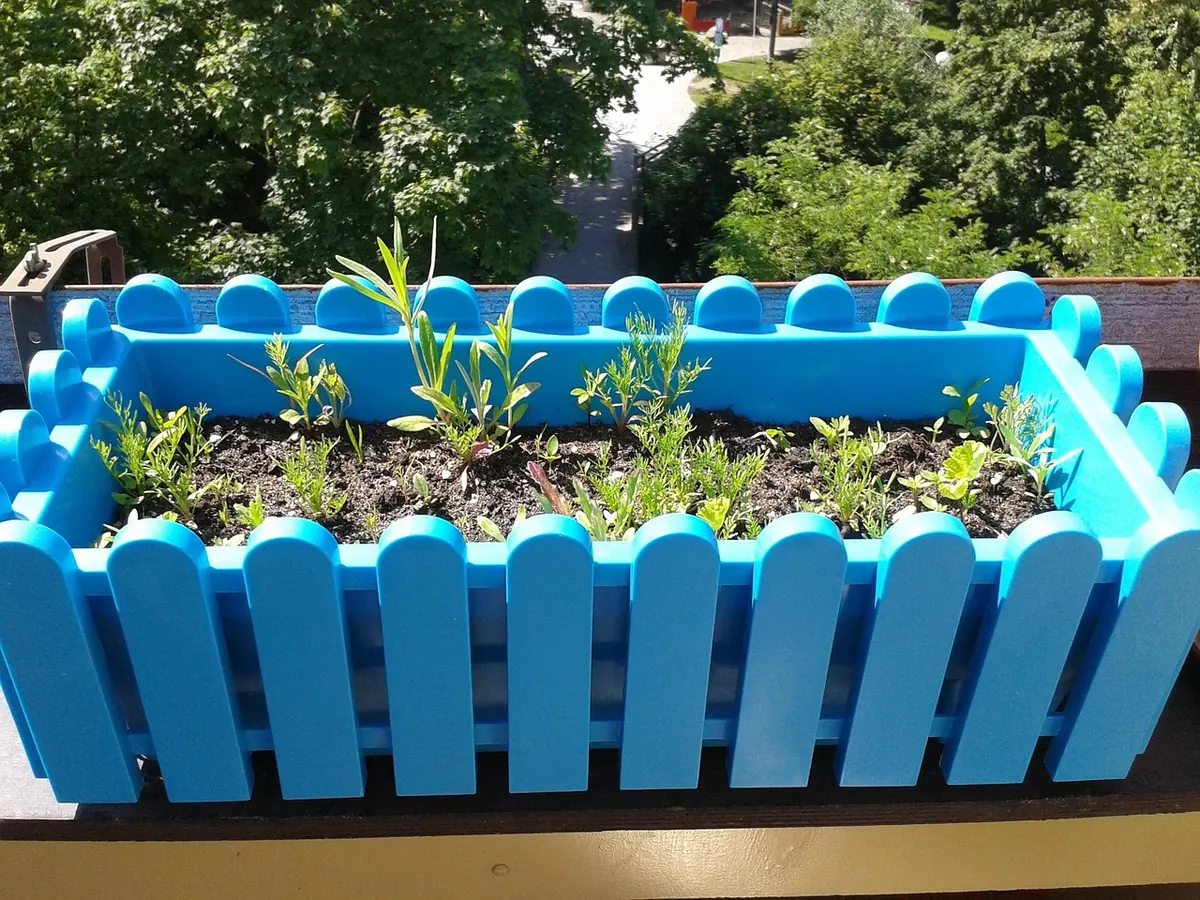
Photo: Hans / Pixabay
You Might Also Like
Pot size, uneven watering, late staking and careless feeding account for most disappointing container tomato crops. A practical guide to spotting each mistake early, plus a five-minute weekly routine.
A practical, beginner-friendly guide to choosing a small rain barrel, siting it safely, connecting it to a downpipe and putting harvested rain to work in pots and borders.