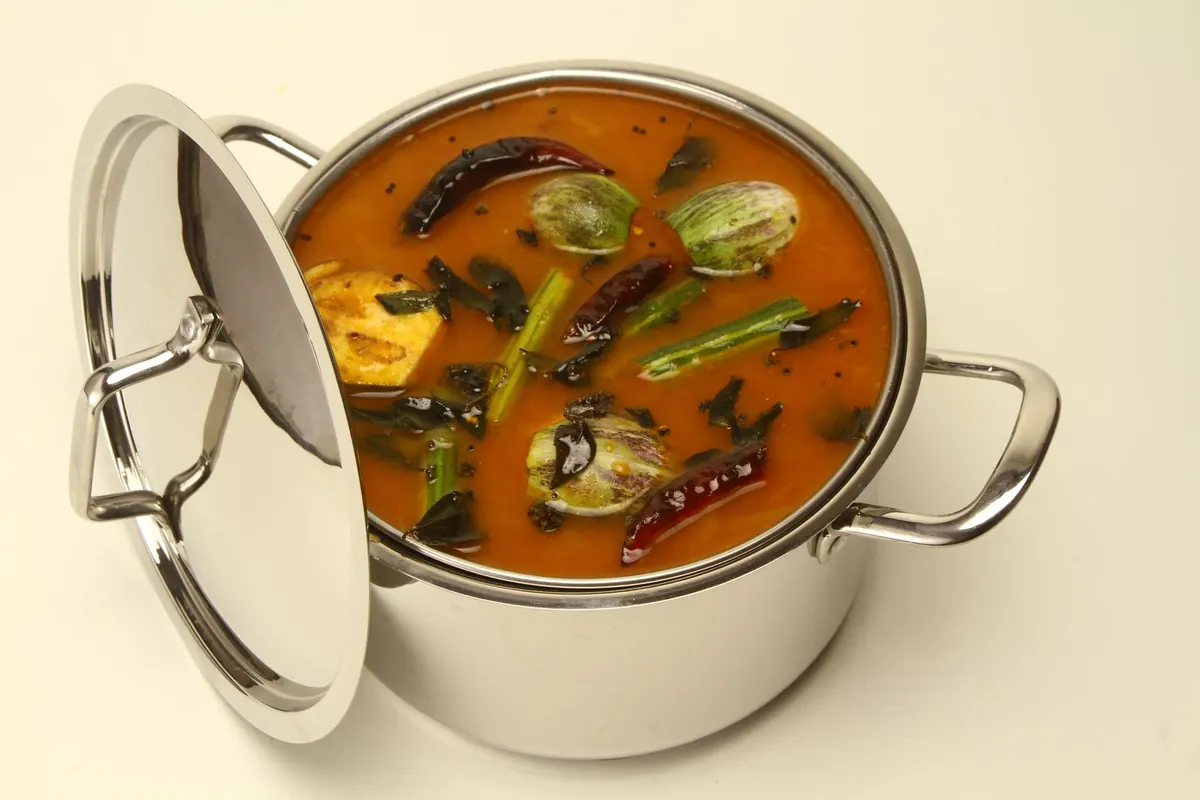
One-Pot Mediterranean Lentil Soup for Garden-Day Lunches
There are lunches that fit neatly into a chair and a plate, and then there are lunches that fit around a morning in the garden. This soup belongs to the second kind. It is thick enough to be a meal, simple enough to make when you would rather be outside, and generous enough to improve after a day in the fridge.
Lentils do most of the work. Tomatoes, olive oil and a little cumin give it a Mediterranean edge. A handful of greens at the end keeps it fresh rather than heavy. Make the pot once; eat well for days.
Why this soup suits a gardening day
Garden work is stop-start. You are warm from digging, then cold once you stand still. You are hungry at odd times, and your hands are rarely clean enough to fuss with lunch. A soup that can be reheated in one pan, poured into a mug or a thermos, and eaten with bread and a piece of cheese is practical in a way that a delicate salad is not.
This one also holds well. Brown or green lentils keep their shape and give the broth body without turning to paste. The vegetables soften into the background. The lemon at the end is not a decorative flourish; it lifts the whole pot and makes the soup taste brighter after reheating.
The pantry base
This makes a generous pot for four to six lunches, depending on how hungry the gardener is. Use a heavy-bottomed pot you can lift with one hand, and chop the vegetables roughly; precision is not the point.
- 2 tablespoons olive oil
- 1 onion, diced
- 1 carrot, diced
- 1 celery stalk, diced
- 3 garlic cloves, sliced
- 1 tablespoon tomato paste
- 1 teaspoon ground cumin
- 1 teaspoon sweet or smoked paprika
- Half a teaspoon dried oregano
- 1 cup brown or green lentils, rinsed
- 1 tin (about 400 g) chopped tomatoes
- 5 cups vegetable stock, or water plus stock
- 1 bay leaf
- Salt and black pepper
- 2 large handfuls spinach or kale, chopped
- Juice of half a lemon
- Flat-leaf parsley, to finish
Red lentils will work, but they will give you a softer, more porridge-like soup. That is not a fault, especially in winter, but brown or green lentils are better if you want something with a little texture and a better chance of surviving a thermos.
One pot, start to finish
- Warm the olive oil in the pot over medium heat. Add the onion, carrot and celery with a pinch of salt and cook for 8 to 10 minutes, until the onion is soft and the edges are beginning to colour.
- Add the garlic and cook for another minute. Stir in the tomato paste, cumin, paprika and oregano and cook for 2 minutes, stirring often, so the spices soften and the paste darkens slightly.
- Tip in the lentils, tomatoes, stock and bay leaf. Bring to a gentle simmer, then partly cover the pot and cook for 25 to 30 minutes, until the lentils are tender but still hold their shape.
- Stir occasionally and check the liquid. You want a thick soup, not a stew. Add a splash of hot water or stock if it starts to look dry.
- Season with salt and pepper. Be restrained at first: the stock and tomatoes will already carry salt, and the soup reduces as it sits.
- Stir in the greens and cook for 3 to 5 minutes, until wilted and tender. If you are using kale, give it a little longer than spinach.
- Take the pot off the heat. Add the lemon juice, taste, and adjust with more salt, pepper or lemon. Let the soup sit for 10 minutes before eating; it thickens and the flavours settle.
- Finish with a drizzle of olive oil and a handful of chopped parsley. If you are packing it for later, keep the parsley and lemon separate until serving.
Make it ahead, then take it outside
This is a soup to make on a rainy afternoon or a Sunday evening, not at noon on the day you are planting out seedlings. Cool it quickly, spread in shallow containers, and refrigerate. It keeps well for several days and freezes for longer; leave a little headroom in the container because the soup expands.
For garden-day lunches, reheat only what you need. A ladleful in a small pan with a splash of stock is quicker than heating the whole pot. If you are taking it outside, warm a thermos with boiling water first, empty it, then fill with hot soup. Pack bread, a few olives, and a piece of feta or aged cheese in a separate box.
The soup improves with a day in the fridge. The lentils drink up the broth, so you may need to thin it with stock or water when reheating. Taste before serving; a squeeze of lemon and a pinch of salt will usually bring it back into focus.
Seasonal variations that actually work
The base is flexible, but the timing matters. Add hardy vegetables early, so they have time to soften, and tender vegetables late, so they keep their colour and bite.
- Spring: Add a chopped leek with the onion, then stir in peas, chopped asparagus or a handful of wild greens in the last few minutes. Finish with mint instead of parsley.
- Summer: Use a zucchini diced small and added with the tomatoes. At the end, stir in basil and a little extra lemon. A spoonful of yogurt on top is good if you are eating indoors.
- Autumn: Add diced squash or pumpkin with the lentils and a pinch of chilli. A few sliced mushrooms, browned first in a separate pan, are worth the extra washing-up if you have them.
- Winter: Add chopped root vegetables, such as parsnip or celeriac, with the lentils. Finish with kale and a little smoked paprika. The soup can be made thicker and served over a slice of toasted bread.
If you have a parmesan rind, drop it in with the stock and remove it before serving. It adds depth without turning the soup into a cheese course. If you do not, the tomato paste and a good stock will do the work.
Texture, toppings and the lemon question
The difference between a good lentil soup and a dull one is often texture. If the finished soup looks thin, mash a few spoonfuls of lentils against the side of the pot and stir them back in. If it looks too thick, add stock rather than water. A soup that sits in the fridge will always thicken; plan for that.
Toppings should be simple. A spoon of thick yogurt, a drizzle of olive oil, toasted seeds, or a few croutons made from stale bread are all enough. The lemon is the one thing I would not skip. Add it off the heat, taste, and add more if the soup tastes flat. If you are taking the soup to the garden, carry the lemon in a small jar rather than adding it all at home; the flavour stays sharper.
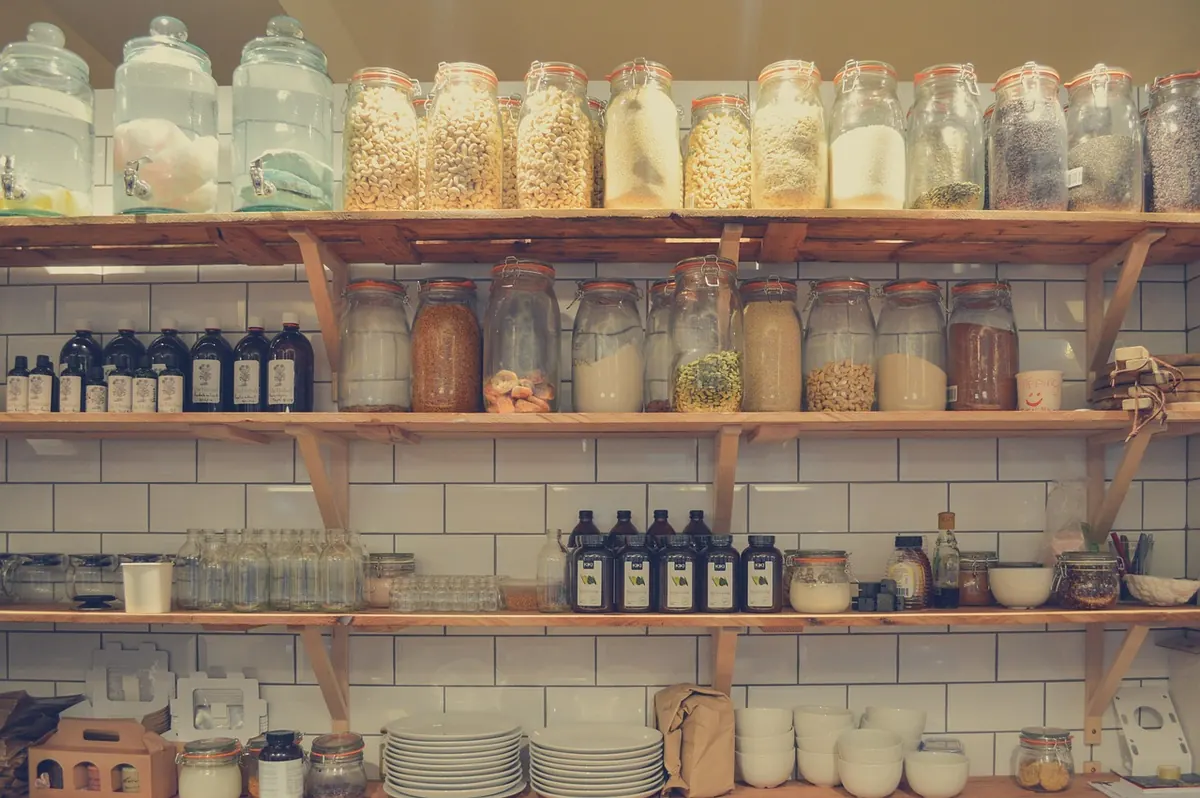
Photo: Milton Das / Pexels
You Might Also Like
Pot size, uneven watering, late staking and careless feeding account for most disappointing container tomato crops. A practical guide to spotting each mistake early, plus a five-minute weekly routine.
A practical, beginner-friendly guide to choosing a small rain barrel, siting it safely, connecting it to a downpipe and putting harvested rain to work in pots and borders.